
Natural remedies and holistic health approaches have gained significant attention in recent years, particularly in pain management and inflammation. Among the various compounds found in nature, Beta-caryophyllene (BCP) has emerged as a promising candidate due to its unique properties and potential health benefits. This article delves into the science behind Beta-Caryophyllene, exploring caryophyllene’s effects on pain and inflammation, and how it can be a valuable addition to your wellness routine.
Table of Contents
What is Beta-Caryophyllene?
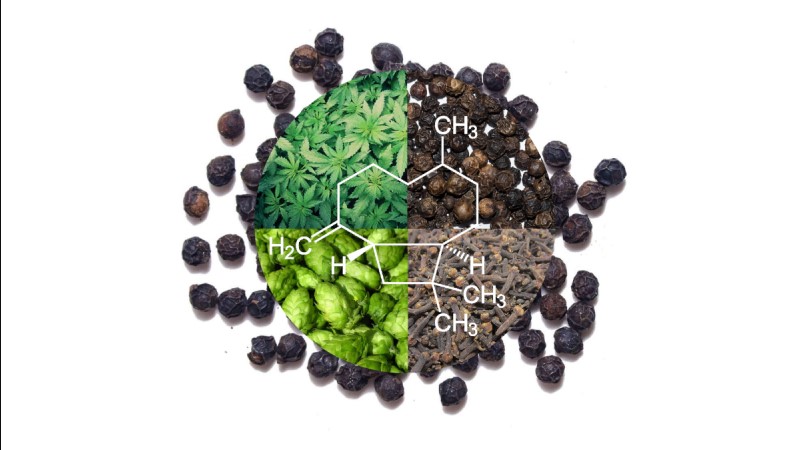
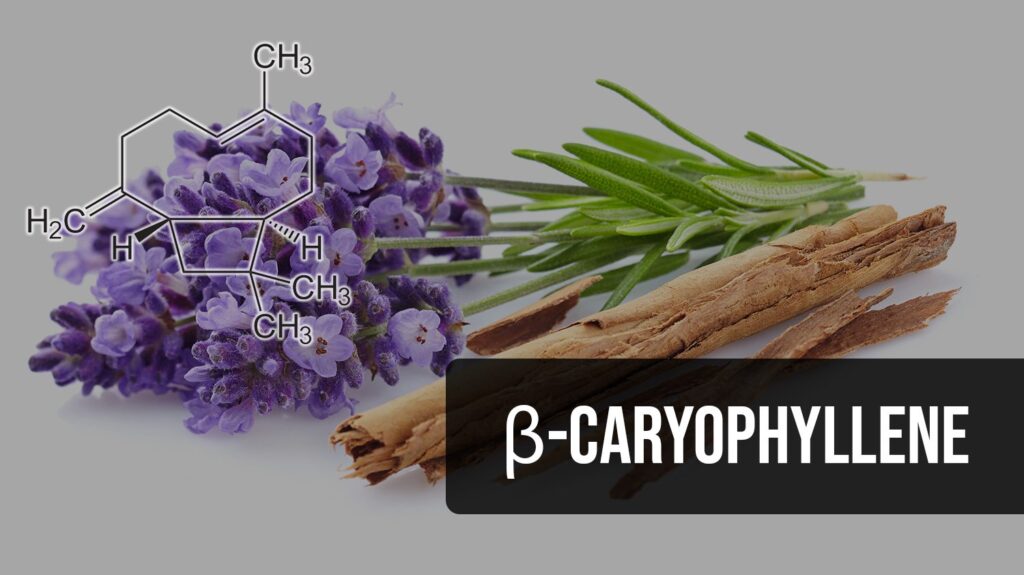
Beta-caryophyllene, often abbreviated as BCP, is a naturally occurring sesquiterpene found in various plants, including black pepper, cloves, hops, and cannabis. Unlike many other terpenes, BCP has a unique ability to interact with the body’s endocannabinoid system (ECS), specifically binding to the CB2 receptors. This interaction is believed to be the key to its potent anti-inflammatory and analgesic effects.
How Does Beta-Caryophyllene Work?
To understand how Beta-Caryophyllene works, it’s essential to grasp the basics of the endocannabinoid system (ECS). The ECS is a complex cell-signaling system that plays a crucial role in regulating various physiological processes, including pain sensation, immune response, and inflammation.
The system comprises endocannabinoids (cannabinoids produced by the body), receptors (CB1 and CB2), and enzymes that break down cannabinoids.
BCP primarily interacts with the CB2 receptors, which are predominantly found in the immune system and peripheral tissues. When BCP binds to these receptors, it triggers a cascade of events that result in the modulation of inflammation and pain.
This interaction sets BCP apart from other terpenes, as most terpenes do not directly engage with the ECS in this manner.

Beta-Caryophyllene’s Effects on Pain
Pain management is one of the most well-documented areas where science of Beta-Caryophyllene shows promise. The compound’s ability to activate CB2 receptors makes it a natural candidate for alleviating various types of pain, particularly chronic pain conditions.
Anti-Nociceptive Properties
BCP exhibits anti-nociceptive properties, meaning it can reduce the perception of pain. Studies have shown that BCP can be effective in reducing pain caused by neuropathy, a condition characterized by damaged nerves that send incorrect signals to the brain, leading to chronic pain.
Synergistic Effects with Other Compounds
Interestingly, Beta-Caryophyllene also works synergistically with other cannabinoids, such as CBD, to enhance their pain-relieving effects. This synergy is often referred to as the “entourage effect,” where the combined action of multiple compounds results in a more potent therapeutic effect than any single compound alone.
Beta-Caryophyllene’s Effects on Inflammation
Inflammation is the body’s natural response to injury or infection, but chronic inflammation can lead to a host of health issues, including autoimmune disorders, cardiovascular diseases, and chronic pain. Beta-Caryophyllene’s anti-inflammatory properties make it an attractive option for managing inflammation naturally.
Modulation of Immune Response
BCP’s interaction with CB2 receptors plays a significant role in modulating the immune response. By activating these receptors, BCP can help reduce the production of pro-inflammatory cytokines, proteins that promote inflammation in the body. This reduction in cytokines can help manage conditions characterized by chronic inflammation, such as arthritis and inflammatory bowel disease (IBD).
Neuroprotective Effects
In addition to its anti-inflammatory properties, science of Beta-Caryophyllene has been found to offer neuroprotective effects. Chronic inflammation in the brain is a contributing factor to neurodegenerative diseases like Alzheimer’s and Parkinson’s. By reducing inflammation in the brain, BCP may help protect against the progression of these conditions.

Beta-Caryophyllene Health Benefits
While pain and inflammation are the primary areas of focus, the health benefits Beta-Caryophyllene extend beyond these two domains. The compound’s broad spectrum of effects makes it a versatile addition to a holistic health regimen.
Cardiovascular Health
Emerging research suggests that BCP may have a positive impact on cardiovascular health. Its anti-inflammatory properties can help reduce the risk of atherosclerosis, a condition characterized by the buildup of plaque in the arteries. Additionally, BCP’s ability to reduce oxidative stress, another contributing factor to heart disease, further supports its potential role in promoting cardiovascular health.
Anxiety and Stress Relief
Beta-caryophyllene has also shown potential in reducing anxiety and stress. The compound’s interaction with the ECS can help regulate mood and promote a sense of calm. Animal studies have demonstrated that BCP can reduce anxiety-like behaviors, making it a potential natural alternative for managing stress-related conditions.
Skin Health
The anti-inflammatory and antioxidant properties of BCP extend to skin health as well. Science of BCP can be found in various skincare products due to its ability to soothe irritated skin, reduce redness, and combat oxidative stress that leads to premature aging.
Incorporating Beta-Caryophyllene into Your Wellness Routine
Given the numerous health benefits associated with science of Beta-Caryophyllene, incorporating it into your wellness routine can be a valuable step toward better health. BCP can be consumed through dietary sources, such as black pepper, or through supplements and essential oils that contain concentrated amounts of the compound.
Additionally, BCP is a common component in many full-spectrum CBD products, allowing you to harness the synergistic effects of multiple cannabinoids.
Final Thoughts
Beta-caryophyllene stands out as a unique and potent natural compound with a wide range of health benefits, particularly in the areas of pain management and inflammation. Its ability to interact directly with the endocannabinoid system sets it apart from other terpenes, making it a valuable addition to any wellness regimen aimed at reducing chronic pain, inflammation, and beyond.
As research continues to uncover the full potential of BCP, it is likely to become an increasingly popular option for those seeking natural alternatives for their health concerns.
FAQs
What are the primary beta-caryophyllene benefits?
Pain relief, anti-inflammatory effects, cardiovascular support, anxiety reduction, and improved skin health are just some of the ways beta-caryophyllene offers numerous health benefits to overall wellness.
How does Beta-Caryophyllene work in the body?
BCP primarily works by interacting with the CB2 receptors in the endocannabinoid system, which helps modulate pain, inflammation, and immune responses.
Can Beta-Caryophyllene be used for chronic pain management?
Yes, Beta-Caryophyllene has shown promise in managing chronic pain conditions, particularly those related to nerve damage and inflammation.
What are the caryophyllene terpene effects on the skin?
BCP’s anti-inflammatory and antioxidant properties can soothe irritated skin, reduce redness, and protect against premature aging.
Is Beta-Caryophyllene safe for long-term use?
Beta-caryophyllene is generally considered safe for long-term use, especially when consumed through dietary sources or in recommended doses in supplements and products. However, it’s always advisable to consult with a healthcare provider before starting any new supplement.