
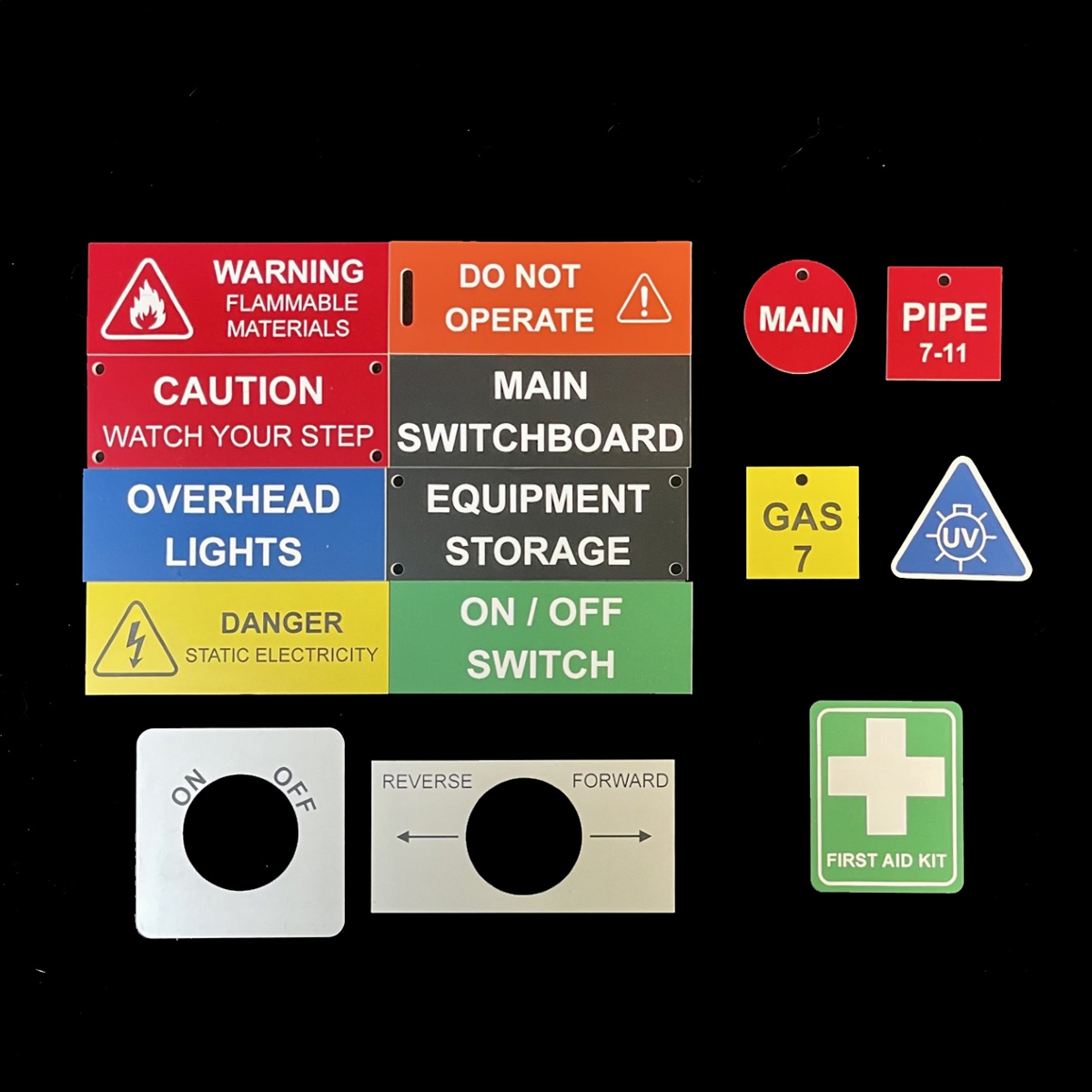
In industrial environments where precision, safety, and efficiency are non-negotiable, even small details can make a major difference. One such overlooked detail is lamacoids—durable engraved plastic tags or plates commonly used to identify equipment, wires, valves, and control panels. From improving safety to speeding up maintenance, lamacoids play a crucial role in optimizing operations and minimizing downtime.
Table of Contents
In this post, we’ll explore how lamacoids are used to enhance workflow in industrial settings. Here we are going to cover the importance of labels for electrical panels, and break down the two most common types of lamacoids: Lamacoid Control Panels and Lamacoid Valve Tags.
What Are Lamacoids?
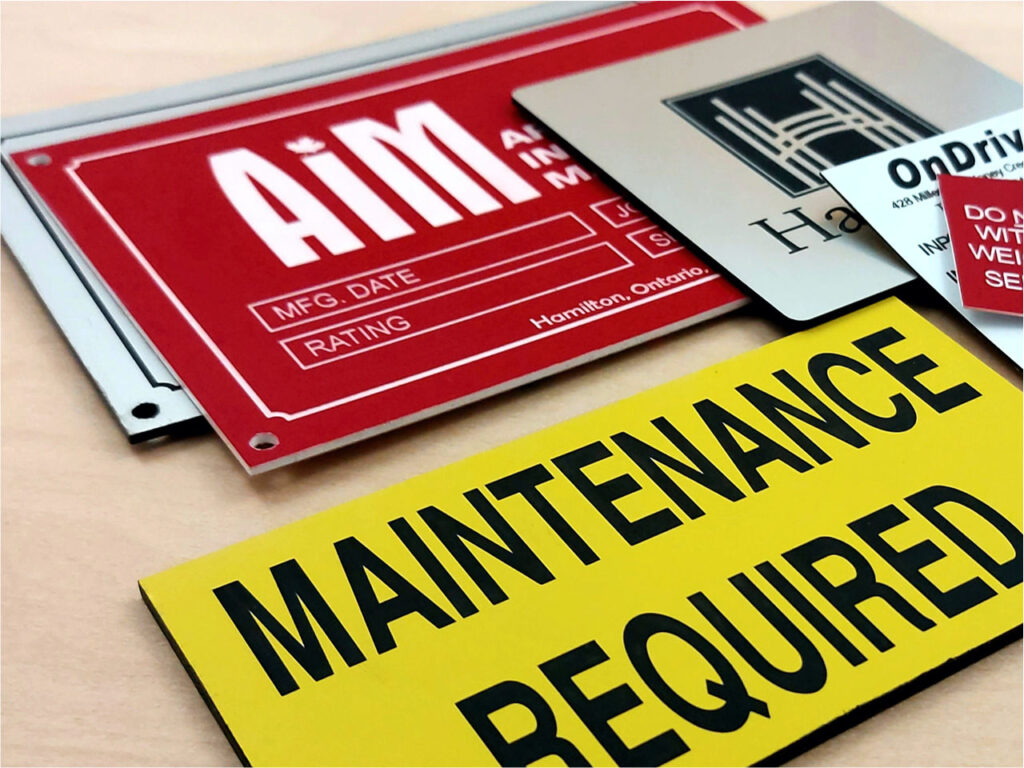
Lamacoids are rigid, engraved labels typically made from multi-layered plastic sheets. The top layer is removed via engraving, revealing a contrasting color underneath. This makes the text or design highly legible and long-lasting, even in harsh environments.
Due to their durability, lamacoid labels are widely used in industrial and commercial settings to identify machinery, electrical systems, valves, safety equipment, and more. They are often attached to surfaces using adhesives, screws, rivets, or ties depending on the application.
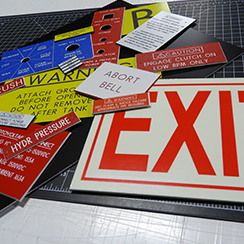
The Importance of Lamacoids in Industrial Plants
1. Enhanced Equipment Identification
Clear, consistent labeling allows personnel to quickly identify machinery, switches, valves, or zones. In a plant with hundreds or even thousands of pieces of equipment, lamacoid tags help workers locate exactly what they need—fast.
This reduces the time spent searching for the correct equipment and minimizes the risk of human error, especially during shift changes or emergency situations.
2. Reduced Downtime During Maintenance
Downtime in industrial operations can cost thousands per hour. Lamacoids make maintenance more efficient by clearly labeling service panels, fuse boxes, shut-off valves, and wiring.
Labels for electrical panels, in particular, ensure technicians know exactly what circuit or component they are dealing with—eliminating guesswork and reducing the time needed for diagnostics and repairs.
3. Improved Safety and Compliance
OSHA, CSA, and other regulatory bodies require clear identification of electrical systems, emergency shut-offs, and hazardous zones. Lamacoid plates are an ideal solution because they are durable, easy to read, and compliant with safety regulations.
Proper lamacoid labels on panels and controls help prevent accidents, protect personnel, and demonstrate compliance during inspections.
4. Standardized Visual Communication
In complex facilities with multiple departments and processes, standardized labeling creates a unified system of visual communication. This makes training easier, reduces language barrier issues, and streamlines daily operations.
By adopting a plant-wide lamacoid labeling system, companies can improve communication between teams and departments while maintaining consistency across all equipment.
Types of Lamacoids: Control Panels & Valve Tags
Two of the most commonly used types of lamacoids in industrial settings are:
1. Lamacoid Control Panels
These are labels for electrical panels, control switches, push buttons, indicator lights, and instrument panels. They are designed to endure high temperatures, moisture, oils, and chemicals.
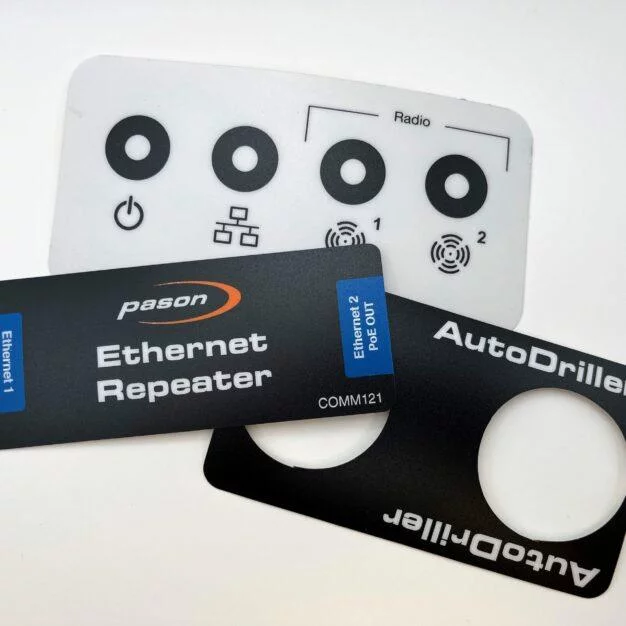
Benefits:
Reduce risk of accidental shutdowns or improper operation
Enhance electrical safety by identifying circuits and panel functions
Speed up troubleshooting and system testing
They are often engraved with voltage ratings, circuit identifiers, and instructions to help operators and electricians work safely and efficiently.
2. Lamacoid Valve Tags
These are small lamacoid tags attached to valves, pipes, or control knobs in mechanical and plumbing systems. They help identify contents, flow direction, or valve functions.
Benefits:
Aid emergency response by clearly identifying isolation points
Simplify maintenance by clearly showing valve purposes
Prevent incorrect valve activation or shut-off
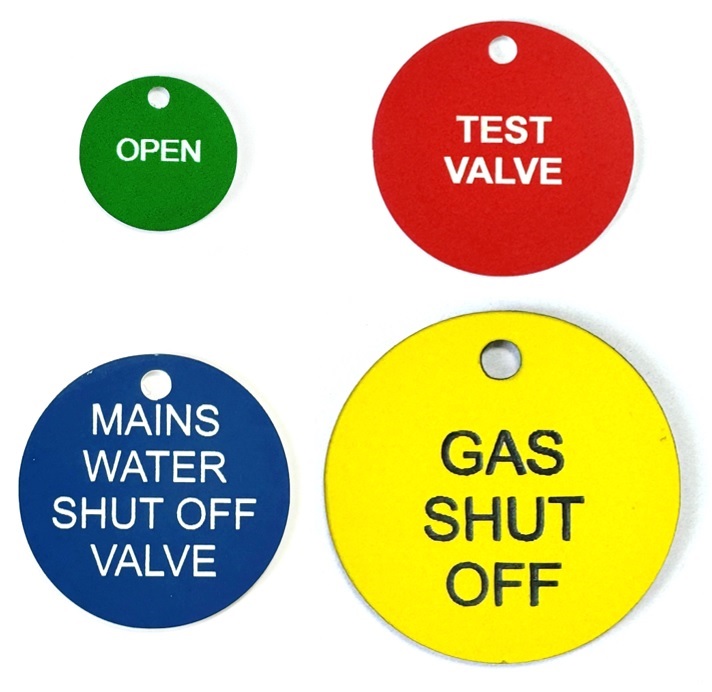
Valve tags can be attached using stainless steel wire, cable ties, or adhesives, depending on the environment.
How Lamacoids Improve Workflow Efficiency
Here’s how lamacoid labels directly contribute to improved workflow:
- Minimized Training Time: With standardized, well-labeled panels and valves, new employees can learn procedures faster.
- Clear Communication: Multilingual or symbol-based labels reduce the risk of misunderstanding across teams.
- Process Optimization: Labels can include QR codes or serial numbers linked to digital maintenance logs or asset tracking systems.
When you reduce guesswork and increase clarity with lamacoid, efficiency naturally improves. These durable tags serve as a reliable guide in fast-paced industrial settings.
How Lamacoids Help Prevent Costly Downtime
Downtime isn’t always caused by major malfunctions. Often, it’s a result of small inefficiencies—like misidentified controls or unlabeled panels. Here’s how lamacoids help avoid those pitfalls:
- Faster Troubleshooting: Technicians can identify and access components without consulting outdated manuals.
- Preventative Maintenance: Labels remind staff when and how to perform routine checks.
- Improved Emergency Response: Labeled shut-off switches and emergency equipment reduce reaction time during incidents.
- Reduced Human Error: Clear labeling ensures everyone knows exactly what they’re working with.
FAQs About Lamacoids and Industrial Labeling
Are lamacoids only used for electrical panels?
No. While they’re ideal for labels for electrical panels, lamacoids are also used for valves, machinery, safety signs, and process labeling across various industries.
Can lamacoid labels be customized?
Absolutely. You can customize text, colors, sizes, shapes, mounting options, and even include serial numbers or barcodes.
Are lamacoids weather-resistant?
Yes. High-quality lamacoid plates are UV-stable, moisture-resistant, and able to withstand extreme temperatures, making them suitable for indoor and outdoor use.
What’s the difference between lamacoid tags and lamacoid plates?
Tags are typically smaller and used for pipes, wires, or valves, while plates are often larger and mounted to panels, machines, or equipment.
How are lamacoids installed?
Installation depends on the surface and environment—commonly using adhesives, screws, rivets, or tie wires.
Final Thoughts
In the world of industrial operations, clarity leads to efficiency—and efficiency leads to profitability. Lamacoids offer a low-cost, high-impact way to organize, identify, and protect your infrastructure. Whether you’re improving labels for electrical panels, tagging valves, or labeling control panels, lamacoids deliver long-lasting results that keep your plant running safely and smoothly.
When properly implemented, lamacoid tags, lamacoid labels, and lamacoid plates can significantly reduce downtime, enhance safety, and streamline maintenance. In an environment where every second counts, investing in the right labeling system isn’t just helpful—it’s essential.